


One-Piece Or Two-Piece? Pick The Mount That Fits Your Rifle.
Mounting a new scope brings a classic question: one-piece mount or two-piece rings? The hardware you choose affects weight, zero retention, installation flexibility, and long-term reliability. The right answer depends on how and where you shoot — so let's break it down.
One-Piece Mounts: Built Like A Tank
One-piece scope mounts combine the base and rings into a single solid unit — no weak joints, no separate parts to align. That construction delivers superior rigidity, keeping your scope zeroed shot after shot even under heavy recoil.
Many one-piece mounts also come with extras baked right in: built-in cant (20 MOA is common) for long-range elevation, and extended cantilevered front halves for correct eye relief on AR-style rifles. For precision shooters and AR builds, a one-piece is often the only logical choice.

One-Piece Mount — Maximum Rigidity
Two-Piece Rings: Flexible And Field-Ready
If one-piece mounts are heavy-duty trucks, two-piece rings are nimble mountain bikes. Separate rings are lighter, less bulky, and give you the freedom to position each ring independently on the rail — spacing them to match your scope's length, eye relief, or whatever odd rail situation you're working with.
They're also typically easier on the wallet. For hunters and casual shooters prioritizing a lightweight build, rings are hard to beat. Low, medium, and high height options mean you can dial in the exact fit for your scope and rifle profile.
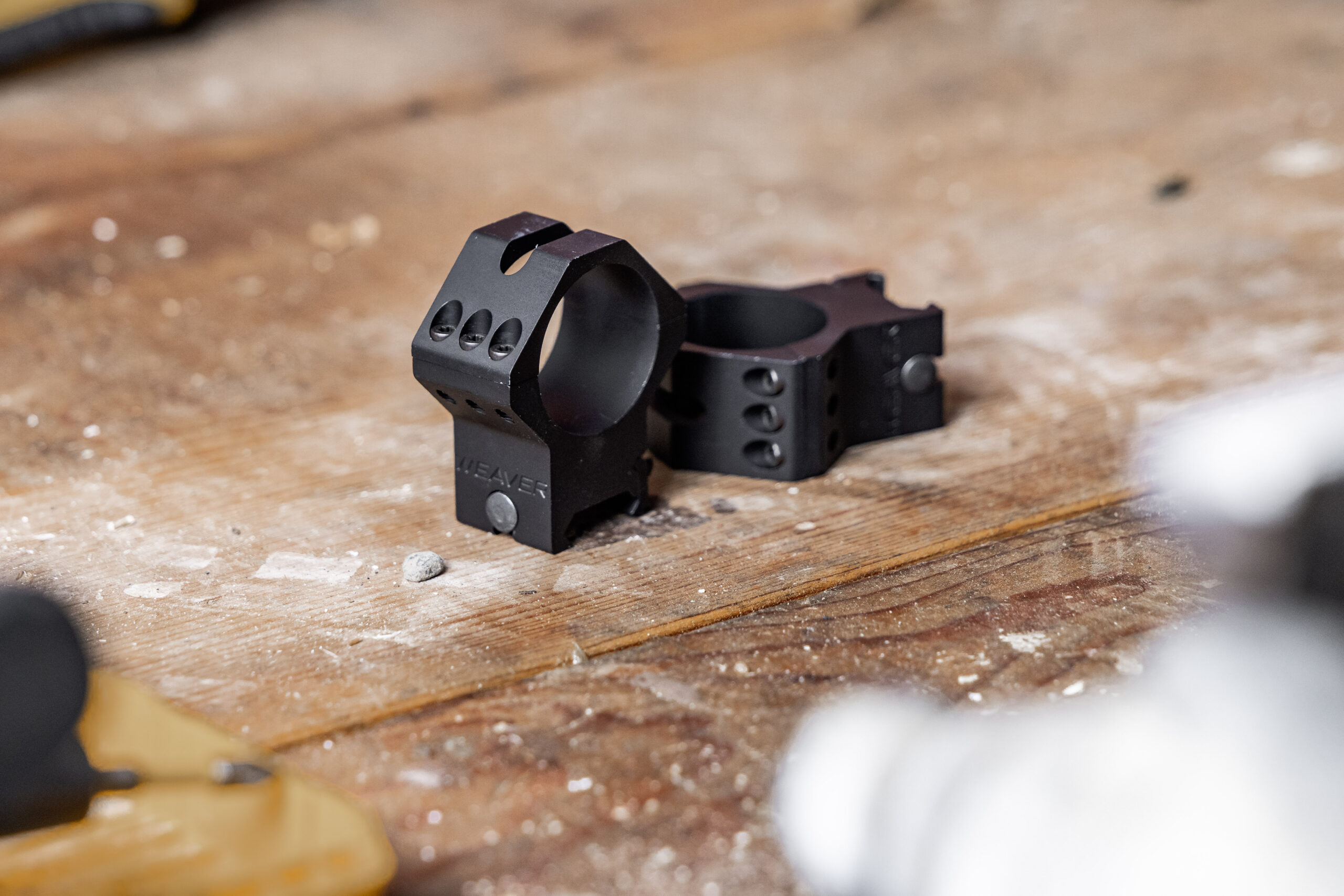
Two-Piece Rings — Versatile And Lightweight
Side By Side
One-Piece Mount
Strength & Stability
Two-Piece Rings
Flexibility & Weight
Which Is Right For You?
It comes down to purpose. Neither system is universally better — the best mount is the one that matches your rifle and how you shoot.
Go One-Piece If You...
Need Set-It-And-Forget-It Reliability
— Shooting an AR-15, AR-10, or flat-top MSR
— Running an LPVO or precision optic
— Prioritizing zero retention above all else
— Building a benchrest or long-range rig
Go Two-Piece If You...
Need Versatility And A Lighter Build
— Hunting and every ounce matters
— Using a lever-action or break-open
— Working with a short or interrupted rail
— Swapping scopes across multiple rifles
"No Matter Which Path You Take — Use Quality Hardware And Torque It Right."
Whatever happens downrange, you should know it's you doing the aiming — not your mount shifting beneath you.
Pick the style that fits your gun and your shooting style. Then get after it.