


Hard-Kicking Rifles Demand Mounts That Can Take A Punch.
There's nothing quite like the satisfaction of a big-bore rifle going off. But that same force that makes magnums and slug guns so impressive is also working against your scope mount with every single pull of the trigger. Heavy recoil is a rollercoaster for your optics — the scope wants to stay still while the rifle yanks violently backward. If your rings and base aren't up to the task, the scope will slip, your zero will walk, and eventually something will fail. Here's how to build a setup that takes the punishment and stays locked on target.
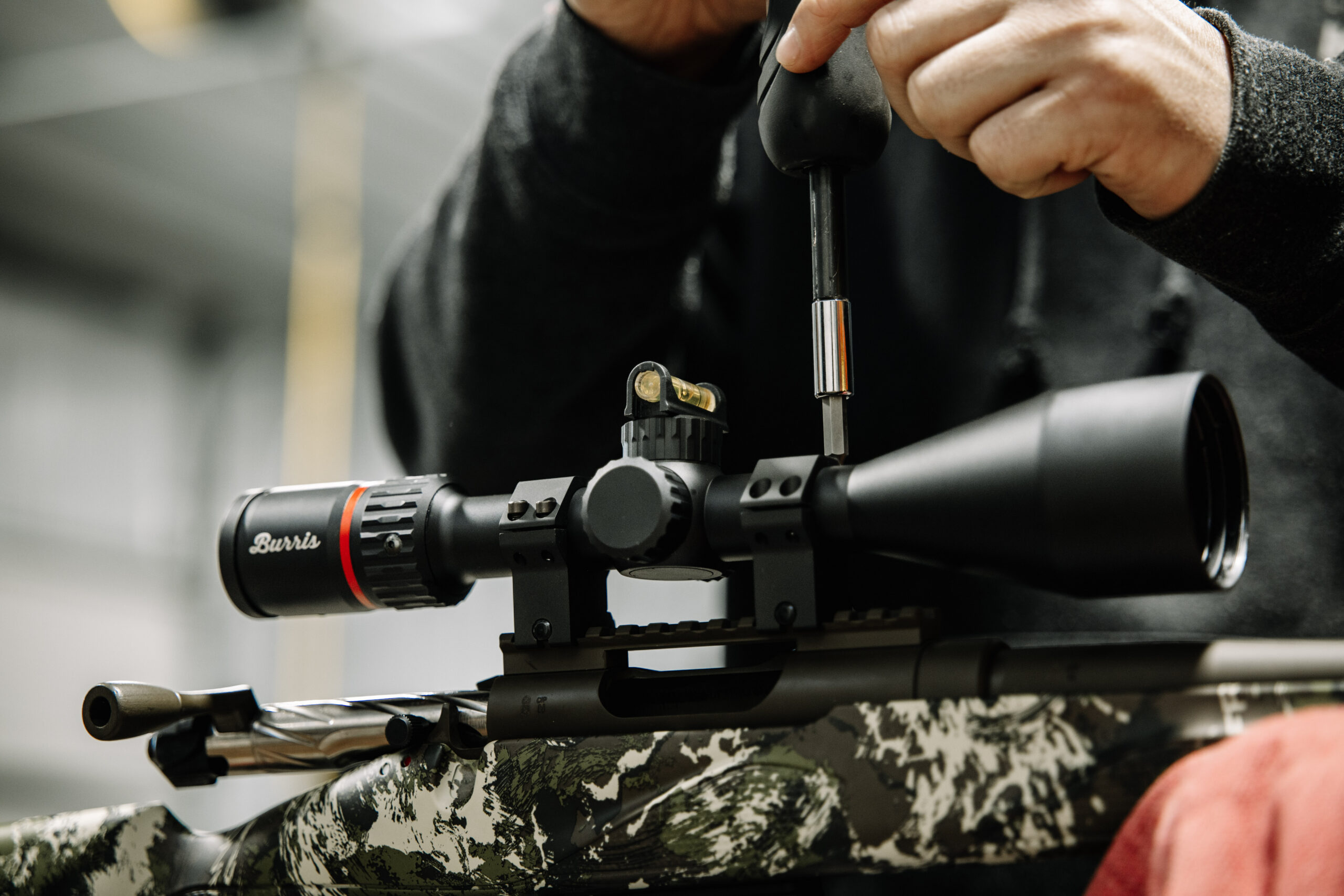
Heavy Recoil Is The Ultimate Test Of Your Mounting System
Why Heavy Recoil Is A Different Animal
Most scope mounts are designed to handle the recoil of a .308 or similar centerfire cartridge. That's manageable. Step up to a .300 Win Mag, a .338 Lapua, or a 12-gauge slug gun and you're dealing with a fundamentally different level of force — one that can expose every weak point in a mounting system that would otherwise hold up just fine.
The physics are straightforward: recoil generates an enormous rearward impulse on the rifle, while the scope — by inertia — wants to stay exactly where it is. The mount is caught in the middle, taking that energy transfer shot after shot. Flimsy hardware flexes. Screws vibrate loose. Soft metals deform. Over time, any weakness in the system compounds into a zero that drifts or a scope that creeps visibly between shots.
The good news is that a well-chosen, properly installed mount handles all of this without drama. The key is knowing what to look for before you buy.
Material Matters More Than You Think
The first decision when choosing mounts for a hard-kicking rifle is material. Not all metals are equal under stress, and the difference between a quality mount and a cheap one shows up fast once you start sending magnums downrange.
For heavy recoil applications, you want either solid steel or 7075-T6 aluminum — the same aircraft-grade alloy used in structural aerospace components. Standard aluminum alloys (6061 is common in budget rings) are fine for moderate calibers but can deform or creep under magnum-level forces. 7075-T6 is significantly stronger and holds its shape under sustained punishment.
Best For: All Heavy Recoil Platforms
Steel Rings & Bases
Best For: Magnums & High-Power Rifles
7075-T6 Aluminum
Single-Screw vs. Double-Screw Rings: It Matters On Magnums
One of the most overlooked decisions in scope mounting is how many cap screws your rings use. On a deer rifle shooting moderate loads, single-screw rings are fine. On a hard-kicking magnum, the math changes.
Not Ideal For Heavy Recoil
Single-Screw Rings
One screw per cap means all the clamping force runs through a single point of contact on each side of the scope tube. Under heavy recoil, this concentrated pressure can allow the scope to twist or rotate inside the rings — especially after repeated shots. The scope can also creep forward or backward along the tube, walking your zero with it. Single-screw rings are lighter and cleaner-looking, but they're not the right call when the rifle hits hard.
The Right Call For Magnums
Double-Screw Rings
Two cap screws per ring distributes the clamping pressure across a wider area of the scope tube — reducing the chance of the scope rotating or slipping. You can also torque each screw to a lower individual value, which actually reduces the risk of crushing a lightweight scope tube while still achieving the same total clamping force. Think of it like a seatbelt with two buckles instead of one. More contact points, better grip, more consistent zero under punishment. For any rifle in the heavy recoil category, double-screw rings are the right call.
Torque: The Number That Makes Or Breaks Everything
You've heard it before — torque your screws. But on a heavy-recoil platform, this isn't just advice. It's the single most impactful thing you can do for zero retention. Too little torque and recoil will shift things shot by shot. Too much and you'll crush the scope tube, warp the rings, or strip threads — creating a different but equally frustrating problem.
Most medium to heavy scopes call for 15–25 inch-pounds on ring cap screws. Always verify with your scope manufacturer's spec — newer, lightweight scopes often need less than older or heavier designs. Use a quality torque wrench made for firearms work, and tighten in a criss-cross pattern on multi-screw rings to keep pressure even across the tube. Set it once correctly and you're in great shape. Set it wrong and you'll be fighting the consequences for as long as that rifle is in your hands.
Threadlocker: Where To Use It And Where To Avoid It
Loctite is one of the most discussed — and most misapplied — products in scope mounting. Used correctly it's a valuable tool. Used incorrectly it changes the effective torque on your screws and can actually make zero retention worse, not better. Here's the straightforward guide.
Ring Cap Screws
Skip ItThreadlocker changes friction in the threads, which throws off your torque readings. You think you're hitting 18 in-lbs — you're not. Correct torque alone is sufficient for ring screws.
Base Screws (Receiver)
RecommendedA drop of blue (medium-strength) Loctite on base screws is a smart move if you're not planning to remove the base frequently. These screws are few in number and short — blue Loctite keeps them from vibrating out over thousands of rounds without making removal impossible.
Anywhere On The Mount
NeverRed Loctite is permanent. Once cured, removal requires heat and tools — and risks damaging the receiver or mount. There is no scenario in scope mounting where red threadlocker is the right call.
Weaver Products Built For The Job
Two Weaver products specifically earn their place on heavy-recoil setups — one for the rings, one for the base screws.
Four-Screw Clamping System
Quad Lock Rings
Weaver's Quad Lock rings use a two-strap, four-screw design that distributes clamping force evenly across the full contact area of the scope tube. More contact points mean more grip, less chance of rotation, and better zero retention under sustained heavy recoil. Lightweight aluminum construction without sacrificing the holding power that hard-kicking rifles demand.
Shop Quad Lock Rings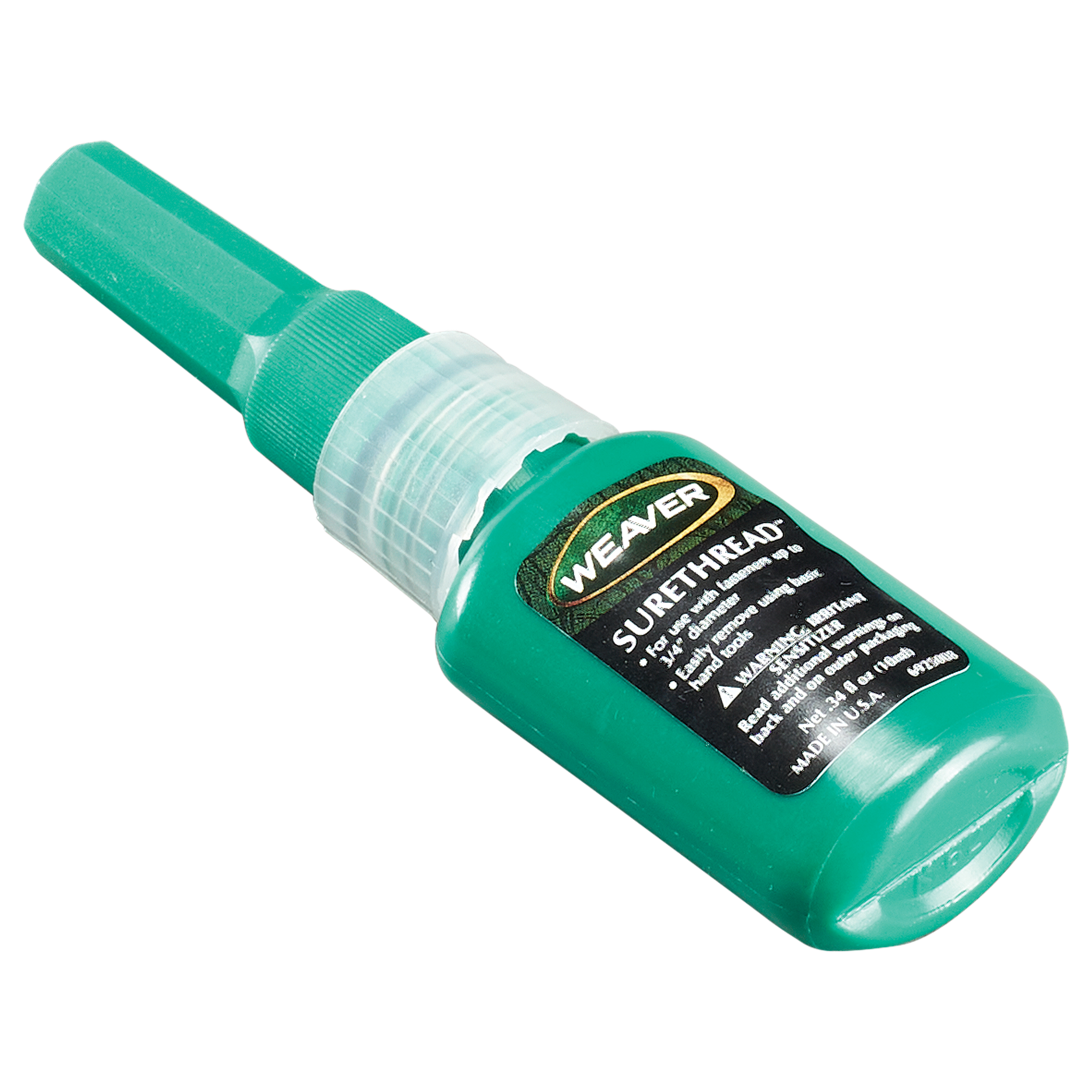
Medium-Strength Threadlocker
SureThread Adhesive
Weaver's SureThread is a medium-strength threadlocking adhesive designed specifically for firearms applications. Apply it to base screws to prevent vibration-induced loosening over thousands of rounds — without the permanent bond of red Loctite. Removable with standard tools when you need to make changes. The right product in the right place on a heavy-recoil setup.
Shop SureThreadThe Heavy Recoil Mount Checklist
Before you take that magnum to the range, run through this. Every item on this list is a variable that heavy recoil will exploit if it's not addressed.
Use Steel Or 7075-T6 Aluminum
Standard aluminum alloys flex under magnum recoil. Specify 7075-T6 or steel for any hard-kicking application. Don't assume quality — verify the material in the product specs.
Choose Double-Screw Rings (Or More)
Single-screw rings are a liability on magnums. Two screws per cap doubles your clamping contact and significantly reduces the risk of scope rotation or creep under recoil.
Confirm Recoil Lugs Are Engaged
If your mount has a recoil lug or stop pin, make sure it's fully seated in its corresponding receiver slot. A partially engaged lug provides false security — it looks right but won't hold under force.
Torque To Spec With A Real Torque Wrench
Ring screws at 15–25 in-lbs, per your scope manufacturer's spec. Tighten in a criss-cross pattern on multi-screw rings. Don't use a regular screwdriver and guess — the margin for error on a magnum rifle is too small.
SureThread On Base Screws Only
A drop of medium-strength threadlocker on base screws prevents vibration-induced loosening over time. Skip it on ring cap screws — it interferes with torque accuracy. Never use permanent (red) threadlocker anywhere on a scope mount.
Re-Check After The First Range Session
Shoot a break-in session, then return to the bench and re-verify torque on all screws. New mounting systems can settle slightly under initial recoil. This one check after the first outing catches any settling before it becomes a problem.
"With Great Recoil Comes Great Responsibility — To Your Gear."
Heavy recoil doesn't forgive weak setups. But with the right materials, proper torque, and a few minutes of careful installation, you can build a mounting system that shrugs off punishment and holds zero through everything your rifle can dish out.
Do it right once. Then pull the trigger with confidence.