


Do You Really Need To Lap Your Scope Rings? Here's The Honest Answer.
You've got a new set of rings, a fresh scope, and you're ready to get everything mounted. Then someone at the range mentions lapping, and suddenly you're not sure if you're missing a critical step. Lapping scope rings is one of those topics that generates strong opinions — old-school gunsmiths swear by it, modern manufacturers say it's unnecessary, and everyone in between has a different take. Here's the complete picture so you can make the right call for your specific setup.
What Is Scope Ring Lapping, Exactly?
Lapping is the process of polishing or sanding the inside of your scope rings to improve how they contact the scope tube. The goal is to remove microscopic high spots and imperfections from the inner surface of the rings so that when they clamp onto the tube, they grip evenly across the full contact area rather than bearing down on a few concentrated points.
When rings aren't perfectly lapped, they may contact the scope tube unevenly — pinching harder at certain spots and leaving gaps at others. That uneven pressure can stress the scope tube and the delicate erector system inside it, potentially affecting your zero or causing the scope to slowly creep under recoil. A well-lapped set of rings grips the scope tube uniformly, putting it under even, distributed pressure rather than localized stress.
There's also the alignment component. Two rings on the same base need to be in perfect axial alignment — meaning the centerline of both ring bores should be exactly the same. If they're even slightly off, they'll introduce a bending force on the scope tube every time the rings are tightened. Lapping helps correct minor alignment errors by removing material from the high side of each ring until both bores line up.
What Lapping Actually Does For Your Setup
Increases surface contact between the ring bore and the scope tube — more contact area means more grip and less chance of slipping under recoil
Corrects minor misalignment between front and rear rings — removes high spots until both bores are concentric and parallel
Eliminates stress on the scope tube caused by misaligned rings pulling the optic in opposing directions, which can affect the internal erector system
Reduces ring marks on the scope tube — even contact means no concentrated pressure points that cause visible scuffing or scratches
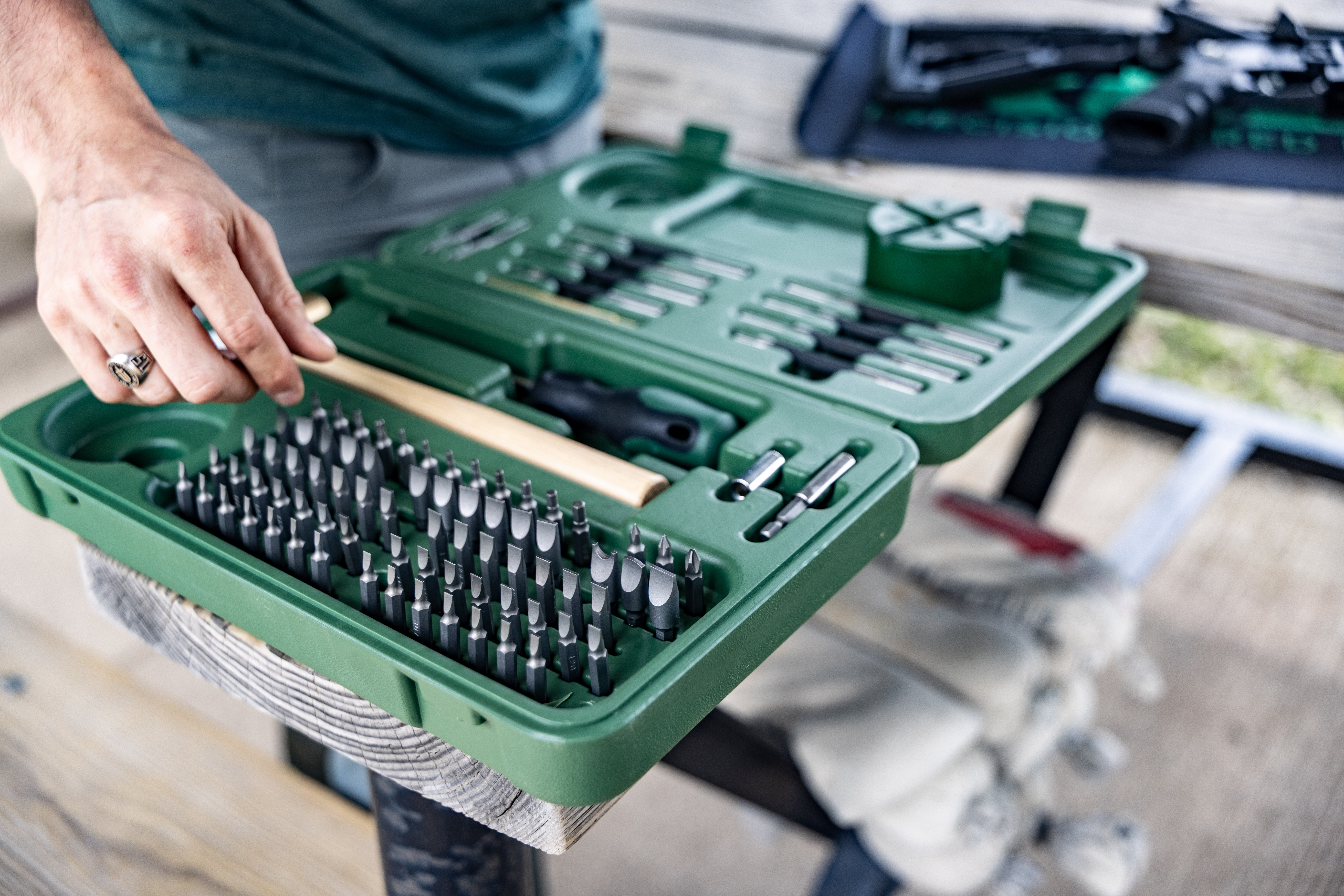
Getting The Mount Right The First Time Starts With Knowing Whether You Need To Lap
To Lap Or Not To Lap: The Real Answer
For most of shooting history, lapping was considered standard practice — especially before modern CNC machining made precision manufacturing widely accessible. Older rings had more variance from part to part, and lapping was the reliable way to ensure everything seated correctly regardless of manufacturing tolerances.
Today, the calculus has shifted. High-quality scope rings from reputable manufacturers are machined to extremely tight tolerances and are typically true right out of the box. The rings, the base, and the rifle's receiver all have their own manufacturing tolerances — and in most cases those tolerances are tight enough that lapping adds little practical benefit when you're using quality, matched hardware.
That said, the old-timers who still lap everything aren't wrong either. Even the best rings can occasionally benefit from a touchup due to tolerance stacking — small variances in the receiver, the base, and the rings that individually fall within spec but compound into a measurable misalignment when assembled. And lapping costs relatively little beyond time and the kit. For a precision build where everything needs to be perfect, it remains a legitimate step.
The Case For Lapping
Arguments In Favor
The Case Against Lapping
Arguments Against
Warning Signs That Lapping Might Be Necessary
You don't always know ahead of time whether your rings need lapping — but the rifle will tell you if they do. Here are the warning signs to watch for. If any of these show up, misaligned or improperly contacting rings are likely the cause, and lapping is worth considering.
Scope Won't Hold Zero Or Groups Are Inconsistent
If your zero wanders between sessions or your groups are inconsistent despite good fundamentals, the scope may be under stress from misaligned rings. Rings that don't bear evenly on the tube can allow the scope to flex or shift subtly, making it nearly impossible to hold a reliable zero no matter how carefully you torque everything.
Ring Marks Or Scratches On The Scope Tube
Shine a light on the scope tube under where the rings contact it. Light surface marks are normal and expected — metal on metal contact leaves some trace. Deep scratches, gouges, or marks that run in one direction indicate the scope tube has been moving inside the rings or being pinched at concentrated points rather than gripped uniformly. That's a lapping problem.
Visible Gaps Between The Scope And Ring Halves When Tightened
If you can see daylight between the scope tube and the ring contact surface after the screws are fully torqued, the rings aren't making full contact. That gap means the clamping force is concentrated at one or two points rather than distributed evenly — exactly what lapping is designed to fix.
Alignment Rods Don't Line Up
If you install alignment rods in your rings and the pointed tips don't meet cleanly — one is higher, one points left, they cross rather than align — your rings are out of axial alignment. This is the most direct indication that lapping is needed. The degree of misalignment tells you how aggressive you'll need to be with the abrasive.
"Check Alignment First. Lap Only If The Rods Tell You To."
When You Can Skip Lapping Entirely
Quality, precision-machined rings from reputable manufacturers are increasingly engineered to eliminate the need for lapping. If you're running matched hardware — rings, base, and rail all from the same quality manufacturer or known to be compatible — and your alignment rods confirm the rings are concentric, you're good to go without touching an abrasive.
There are also ring designs that make lapping impossible or inadvisable. Rings with self-aligning synthetic inserts automatically conform to the scope tube, distributing contact pressure without any lapping required. Vertically-split ring designs should specifically not be lapped — the manufacturer's instructions on these will tell you clearly, and following that instruction is important. Lapping a ring that's not designed for it can actually make the fit worse, not better.
The bottom line: if you're using quality rings on a quality base, your alignment check comes back clean, and you're not seeing any of the warning signs listed above — put the lapping kit away. You don't need it, and using it unnecessarily just removes material you can never put back.
Should You Lap? A Practical Guide
Lapping Is Worth Considering When...
Go Ahead And Lap
Lapping Is Unnecessary When...
Skip It
If You Do Lap: Get The Right Kit
If your alignment check reveals a problem and lapping is the right call, doing it correctly requires the right tools. A quality lapping kit includes a precision steel lapping bar sized to match your scope tube diameter, plus an abrasive lapping compound. The bar is coated with compound and run through both rings simultaneously — removing material from the high spots until both bores are in perfect alignment and the full contact surface is smooth.
The key is patience and incremental progress. Work in stages, check alignment frequently, and stop as soon as the rods line up. The goal is to remove the minimum amount of material necessary to achieve proper alignment — not to lap aggressively until everything looks shiny. Over-lapping is a real risk, and once you've removed too much material, the rings are done.
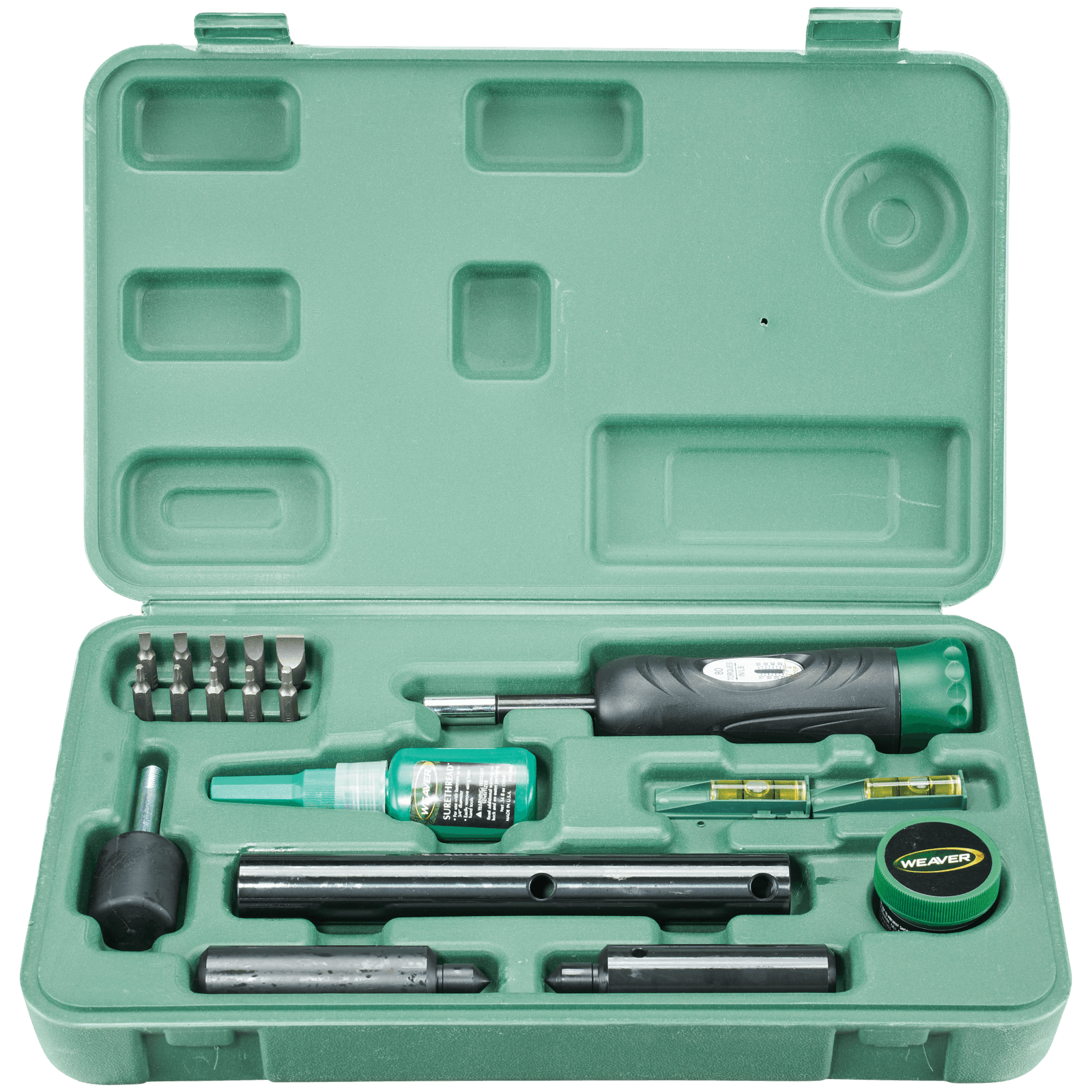
Everything You Need In One Kit
Deluxe Scope Mounting & Lapping Kit
Weaver's Deluxe Scope Mounting Kit includes everything needed for a proper lapping job and full scope installation — alignment bars, lapping compound, torque wrench, and all the tools required to do the job right from start to finish. Whether you're lapping a set of rings that need truing up or just want to ensure a precision installation on a new build, this kit covers all the bases in one package.
"Check First. Lap Only If You Have To. Do It Right If You Do."
Lapping isn't a universal requirement — but it's also not an outdated practice. It's a targeted solution for a specific problem: rings that aren't perfectly aligned or making full contact with the scope tube.
Run the alignment rods. Let the results tell you whether you need it. And if you do need it, take your time, work incrementally, and stop the moment the rods line up.