


Yes, You Can Scope A Slug Gun Or Muzzleloader. Here's How To Do It Right.
Shotguns and muzzleloaders aren't the first platforms people think of when it comes to optics — but for slug hunting at distance or reaching out with an inline muzzleloader, a quality scope and the right mount can be a genuine game-changer. The catch? These guns kick hard, and that recoil demands gear that's built to take a beating. Here's everything you need to know to get set up right.
Why Recoil Changes Everything
A rifled slug barrel or a stout muzzleloader charge doesn't just feel different from a centerfire rifle — it behaves differently too. The recoil is often heavier, sharper, and hits the mount from different angles depending on the platform. Every hammering shot is an opportunity for rings to creep, screws to loosen, and your point of impact to shift.
Cheap mounts are especially vulnerable here. As Weaver puts it, even a minor drop, bumpy ride, or light travel can knock a poorly mounted scope off target — and that's before you factor in a full day of shooting. The solution isn't complicated: use hardware that's actually rated for heavy recoil, and install it correctly. Everything else follows from that.
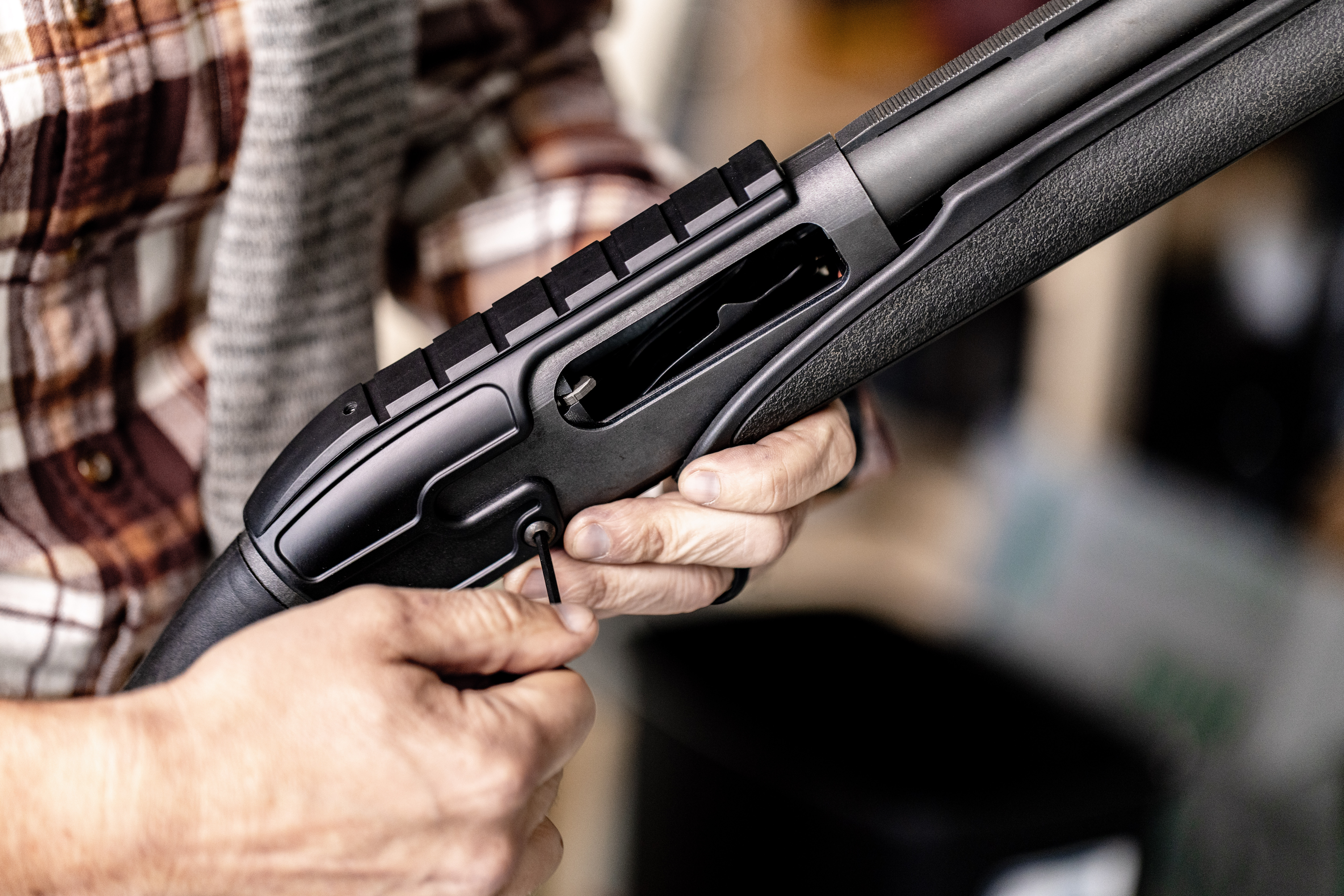
A Properly Mounted Optic Transforms A Slug Gun's Effective Range
Finding The Right Base For Your Gun
Before you can pick rings, you need a solid base — and what that looks like depends on your specific platform. Shotguns and muzzleloaders are far less standardized than bolt-action rifles, so it's worth understanding your options before you buy anything.
If your shotgun doesn't have a factory rail and isn't drilled and tapped, a rib clamp or saddle mount is your best no-gunsmithing option. Weaver's No-Gunsmith Saddle Shotgun Mounts clamp directly onto the barrel or rib and accept a 1" scope or red dot while keeping eye relief correct. No drilling, no machining — just clamp it on and you're ready to mount glass.
For inline muzzleloaders, most modern platforms either come with a dovetail on the breech or can accept a Weaver-style muzzleloader base. Weaver's Classic Muzzleloader Base is built specifically for modern inline rifles — lightweight aircraft aluminum, strong enough for blackpowder recoil, and compatible with all standard Weaver rings. They also offer one-piece scope and base combo sets if you want to keep things simple.
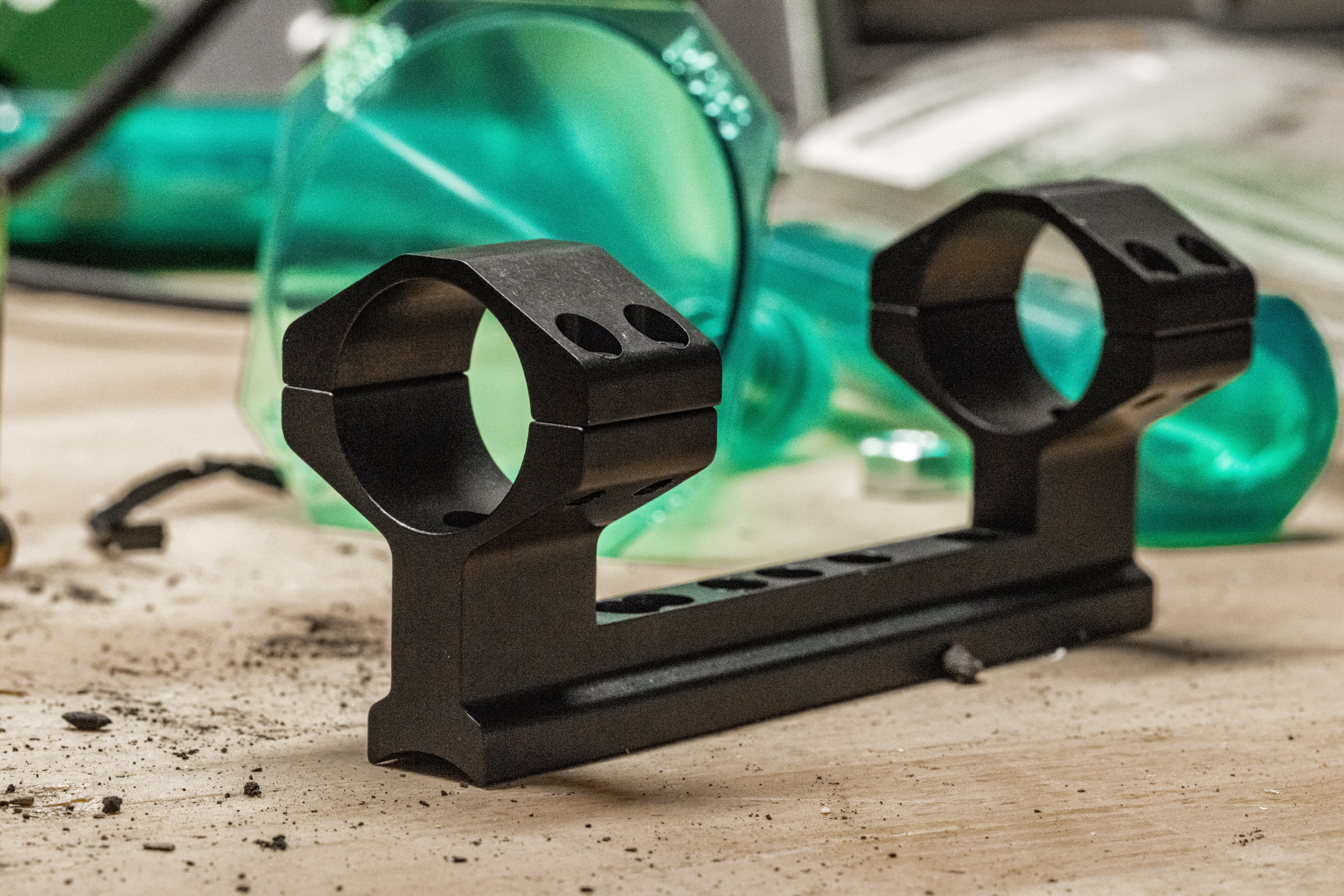
Inline Muzzleloaders Can Easily Reach 100+ Yards With The Right Optic Setup
Weaver's Solutions For Each Platform
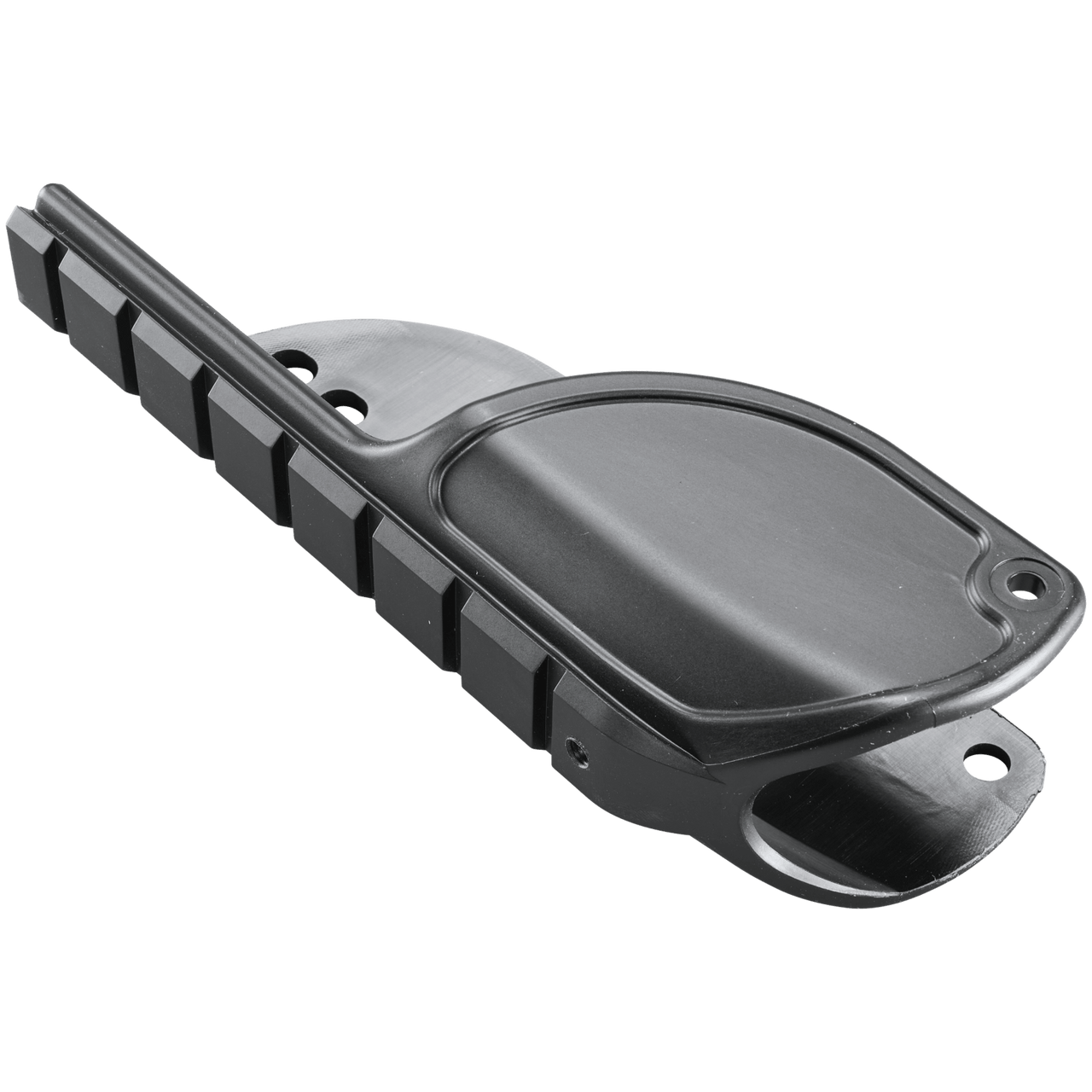
No-Gunsmith Solution
Shotgun Saddle Mounts
Clamps directly onto the barrel or rib — no drilling, no tapping. Compatible with Mossberg 500, Remington 870, 1187, and more. Holds scopes, red dots, or laser sights while maintaining optimal eye relief. Built to absorb heavy recoil without shifting.
Shop Shotgun Mounts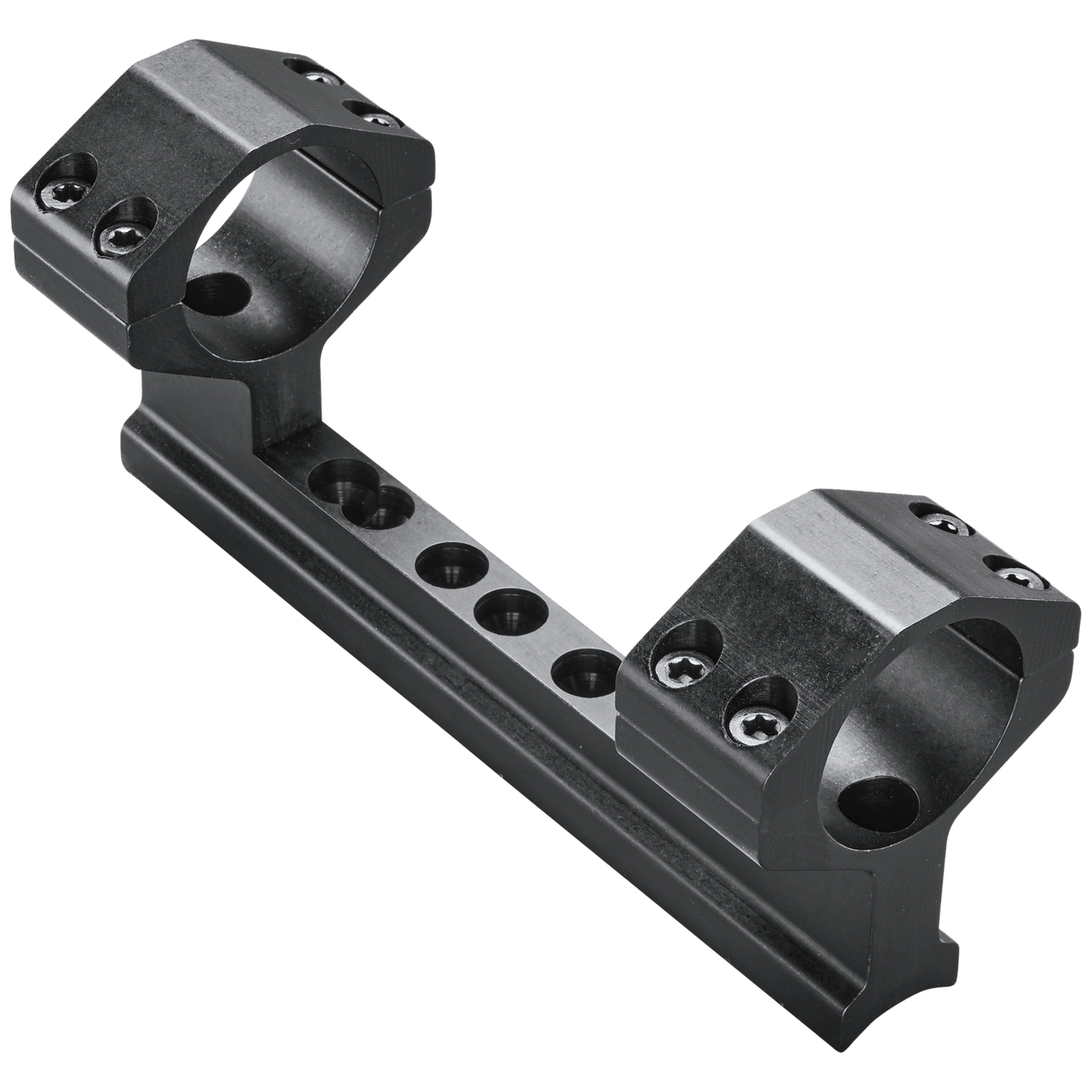
Built For Blackpowder
Muzzleloader Bases & Sets
Designed specifically for modern inline muzzleloaders. Lightweight aircraft aluminum construction that handles blackpowder recoil without compromise. Accepts all Weaver rings, or choose a complete scope and base combo set for a clean one-purchase solution.
Shop Muzzleloader MountsGetting It Right: Installation Checklist
A great base and quality rings are only as good as the installation. Heavy-recoil platforms are unforgiving of sloppy mounting — follow these steps every time.
Use Threadlocker On Base Screws
Heavy recoil vibrates screws loose over time — it's not a question of if, it's when. A drop of medium-strength threadlocker on each base screw before installation keeps everything locked in place without making future removal impossible.
Torque To Spec — Every Screw
Follow the manufacturer's torque specifications to the letter. Under-tightening lets things shift; over-tightening can crush scope tubes or strip threads. A simple torque wrench takes the guesswork out entirely and costs less than a lost zero will.
Level The Scope Before Locking Down
A canted scope on a hard-kicking gun is a nightmare to diagnose and fix after the fact. Take the time to level properly before you fully torque the rings. A misaligned reticle introduces horizontal error that gets worse the further out you shoot.
Zero At The Right Distance
Slug guns typically zero at 25–50 yards, while modern inline muzzleloaders can easily be zeroed at 100 yards or beyond. Know your platform and zero accordingly — don't just pick a distance out of habit from your centerfire setup.
Check Your Zero Regularly
After any heavy range session — and before every hunt — confirm your zero hasn't shifted. Quality mounts hold up, but heavy recoil is notorious for creeping screws over time. A quick check costs you nothing; a missed shot on the animal of a lifetime costs everything.
"Beef Up Every Link In The Chain — Base, Rings, Torque, And Eye Relief."
Mounting optics on a slug barrel or muzzleloader is totally doable. You just have to treat every part of the setup with the same seriousness the gun deserves.
Do it right, and the only thing hitting your eyebrows on opening morning is the cold dawn light.