


The History of Weaver
If you’ve ever mounted a scope or shot a historic rifle scope, chances are you’ve used a design inspired by a man named William Ralph Weaver. Back in 1930, Weaver was a small-town tinkerer with a big idea: make quality optics that everyday hunters could actually afford. That simple mission reshaped the shooting world—and his name has been stamped on firearms ever since.
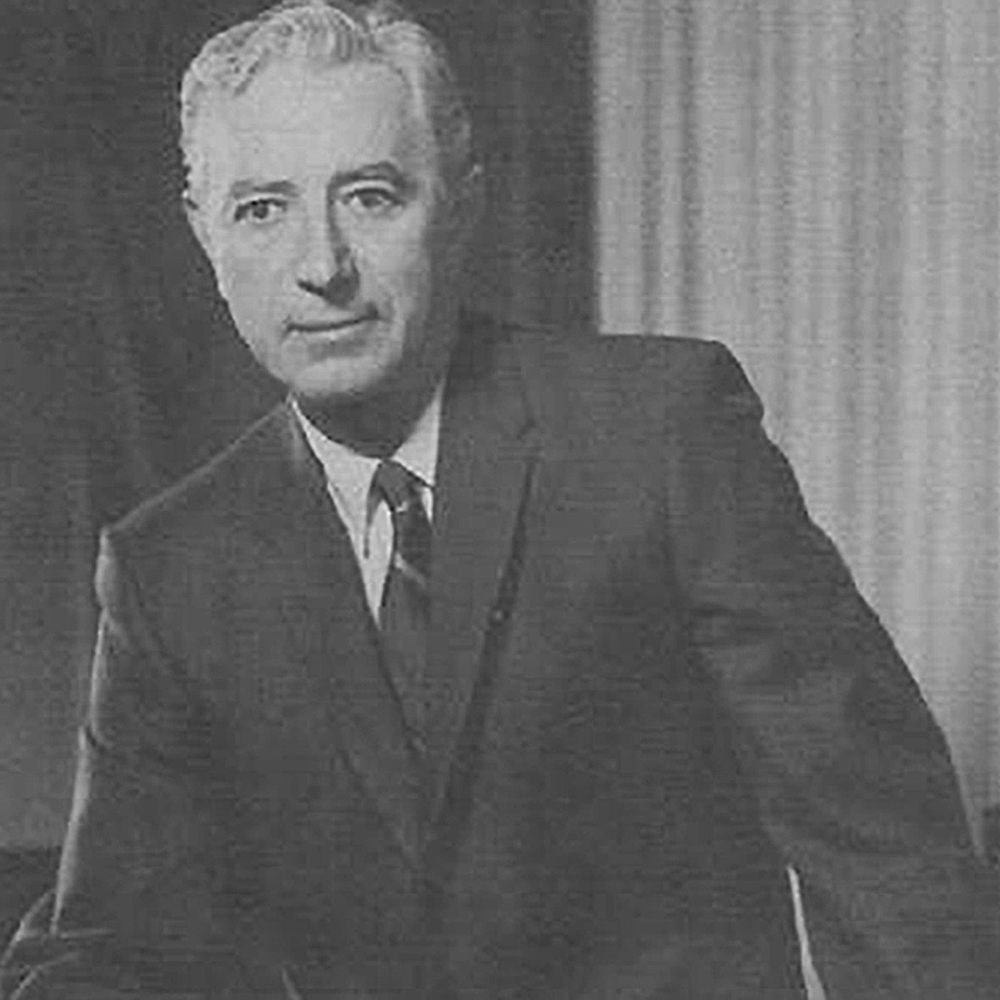
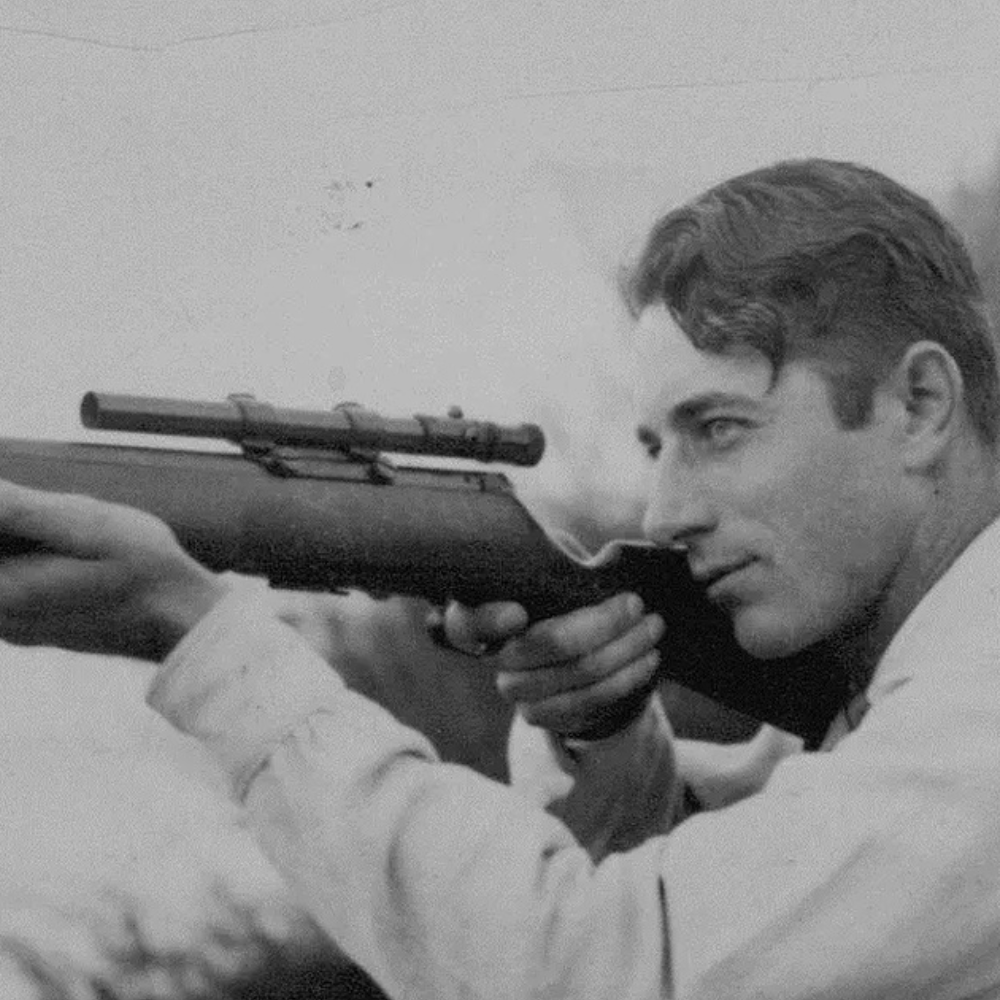
From a One-Man Dream to a Shooting Revolution
Born in 1905, Weaver worked as a young man during the summers for his father’s small manufacturing business making road signs and license plates. The family made their signs in Fort Thomas, KY, across the river from Cincinnati.
In his early 20’s, Weaver’s father secured a contract from Indiana to make 800,000 license plates, on the condition that the plates were made in the state. Bill was given the job and set up a new shop in Lawrenceburg, Indiana. He designed and made tools for his father’s business, but eventually set up his own shop. Around this time, Weaver made a rifle scope for himself. As the story goes, he liked the scope so much that he decided to mass produce the hunting scope to sell. Thus Weaver Optics was born.
At the time, scopes were luxury items—expensive, imported from Germany, heavy and much less popular than iron sights. With a mix of ingenuity and grit, Weaver built scopes in America that didn’t cost a fortune but still held up to recoil and were light enough for hunting. Weaver’s original scope, the 3-30, came with a mount and sold for $19, or about $345 in 2026 dollars.
By the mid-1930s, Weaver scopes weren’t just accessible—they were good. In 1933, Weaver moved to a larger workshop in El Paso, Texas and grew his company to the household name that we know today. By the late 1960s, Weaver sold sixteen models of scopes for every kind of rifle. His scopes helped open the door for the average American hunter to step into the optical age.
Ups, Downs, and a Legacy That Endures
Like many great American brands, Weaver saw both booms and hard times. Over the course of the company’s history, Weaver and his namesake company continued the innovation that made his scopes and mounts popular.
As World War II came, Weaver knew that he could no longer source scope lenses from overseas and would have to grind his own. He designed and built the machines he’d need to do so, and scaled production quickly to assist America in the war effort. Weaver got a contract for 50,000 of his best scopes, which were put into the hands of sharpshooters on the M1903A4 sniper rifle.
The company grew over the years to become the largest producer of riflescopes in the world. 50 employees making scopes in Texas in 1936 quickly became over 600 by the late 1960’s, as Weaver’s factory was moved around town and grown three times to account for increased production, ending at 100,000 square feet in 1960.
In March 1968, W.R. Weaver Co. was sold to Olin Mathieson Chemical Corp. who, at the time, owned Winchester firearms, ammunition, Winchester-Western gunpowder and other sporting goods companies. Bill Weaver was the sole owner of the company’s stock at the time of the sale, except, in the words of a 1968 El Paso Times article, for “a handful of trusted associates.”
Weaver died on November 8, 1975 at the age of 70, his reputation for tough, practical optics and mounts secure.
Weaver Over the Years – And Today
A succession of owners possessed the Weaver brand post Olin, including Meade Industries, Blount, ATK, Vista Outdoor and eventually Revelyst, who markets Weaver scopes today.
Weaver Mounts – the trusted line of rings, mounts, and bases – was also moved around over the years with production in Texas then Wisconsin. By 2012, Weaver mounts were being manufactured in northern California at the historic RCBS reloading equipment factory, where the company still makes their rings and bases today.