


See-Through Scope Rings: Useful or Not?
If you’ve ever seen a hunting rifle with its scope sitting way up high—almost like it’s wearing a tall hat—you’ve probably come across see-through scope rings. They’ve been around for decades and were once a go-to choice for hunters who wanted the best of both worlds: a scoped rifle and the ability to still use their iron sights. But are they still worth using today?
What Are See-Through Rings?
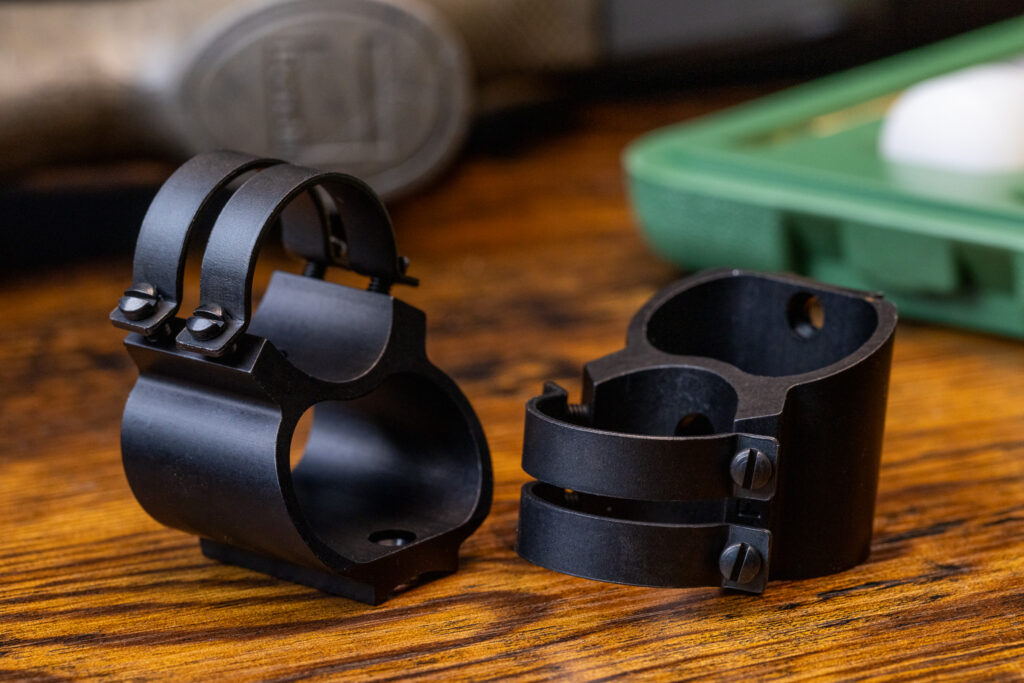
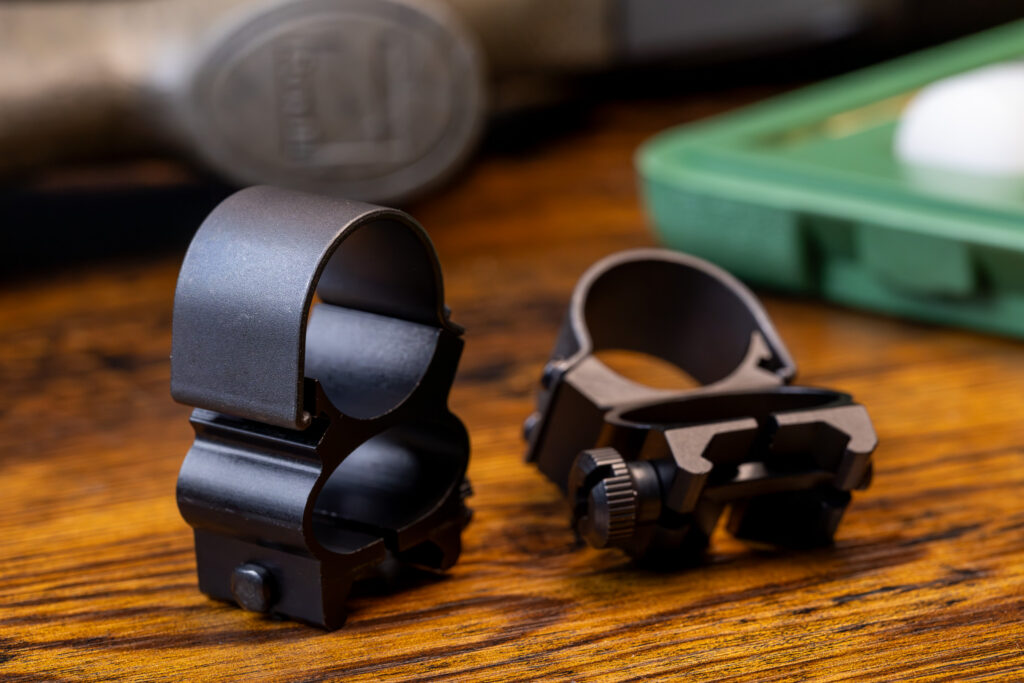
See-through rings are basically scope rings that sit higher than normal and have an open channel underneath. That “tunnel” lets you peek through and line up your iron sights without removing the scope. Weaver still offers see-through rings for both 1-inch and 30mm scopes, built from lightweight yet sturdy aluminum and designed to fit standard Weaver-style bases.
The idea sounds great on paper—use your irons for close, fast shots, then switch to your scope for distance.
Why Some Shooters Still Like Them
There’s a reason see-through rings stuck around for so long. Hunters running brush guns or rimfires often found them handy when quick, close shots came up unexpectedly—like when a deer bolts out at 20 yards or a rabbit crosses the trail. If your scope fogs up or batteries die (on illuminated models), you’ve still got your irons ready to go.
That extra layer of backup can bring peace of mind, especially in rough weather or if you’re running older gear that isn’t as bombproof as today’s optics.
See-through rings are still popular for scout rifles or other platforms necessitating a quick shot and duel optic options.
The Catch: Height Changes Everything
Here’s where the trade-offs start showing. See-through mounts sit tall. The scope can end up an inch or more above the bore line, which forces you to lift your head off the stock every time you aim. That ruins what shooters call a cheek weld—the natural point of contact between your face and the rifle.
When your head floats, consistency goes out the window. And consistency is everything when it comes to accuracy. You might still hit paper, sure, but repeatability—especially at longer ranges—takes a hit.
The Ballistics Problem Nobody Talks About
A high-mounted scope changes your sight-over-bore offset. In plain English: your bullet’s path and your scope’s line of sight don’t meet where you think they do, especially at close range. At 25 or 50 yards, you may need to hold lower than normal because the scope is so far above the barrel.
That might not matter much on a plinking .22, but if you’re zeroing a big-game rifle for 100 yards and take a 20-yard shot, that extra height could mean a miss or a poorly placed hit.
Modern Optics Changed the Game
Back when see-through rings were popular, scopes were bulkier and not as durable. Today’s optics are sealed, shockproof, and hold zero under just about anything. For most shooters, the idea of the scope “failing” mid-hunt just isn’t a major concern anymore.
And with red dots, low-power variables, and even offset mounts available, there are smarter ways to cover both short and long-range needs without compromising your shooting form.
When They Still Make Sense
So, are see-through rings totally obsolete? Not quite.
They can still be a good fit in a few situations:
- Rimfire rifles where cheek weld and recoil aren’t big issues
- Brush guns where shots rarely stretch past 50 yards
- Younger or new shooters who are transitioning from irons to scopes and want both options
If that sounds like your setup, Weaver’s See-Through Rings are a reliable way to make it happen. They’re lightweight, affordable, and made to the same precision standards as Weaver’s other mounts—just be aware of the trade-offs in comfort and point-of-impact.
Final Thoughts
See-through scope rings aren’t “bad,” but they’re a product of an earlier era—when hunters wanted a backup plan before modern optics earned their reputation for reliability. For most rifles today, especially centerfires or precision builds, a standard ring setup keeps things tighter, cleaner, and more natural to shoot.
But if you’re running a classic lever gun or a .22 you take out for fun on weekends? Go ahead and give them a shot. Weaver’s got you covered either way.