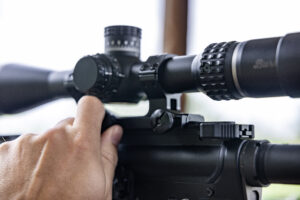


Swapping One Scope Between Multiple Rifles: Tips & Tricks
So you’ve got a favorite scope — maybe a solid mid-range optic that you really trust — and you’re wondering if you can use it on more than one rifle. Totally fair question. Scopes aren’t cheap, and if you’re just starting to build your collection, it’s tempting to make that one piece of glass pull double duty.
Can you swap one scope between multiple rifles? The short answer is yes — but it’s a little more complicated than just “unscrew and re-attach.”
It’s Possible — If You Set It Up Right
Swapping a scope between rifles isn’t a fantasy idea. Plenty of shooters do it, especially those who run quality quick-detach (QD) or detachable mounts. The key is consistency: the scope and mount must lock into each rifle the exact same way each time.
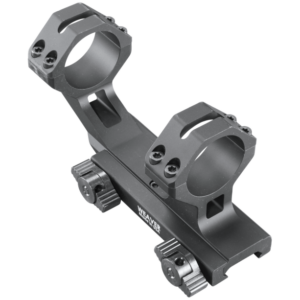
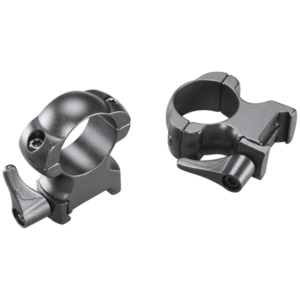
If both rifles have Picatinny or Weaver-style rails, you’re already halfway there. A one-piece QD mount like the Weaver Tactical SPR Mount or Weaver Detachable Lever Lok Rings can hold your scope as a single unit. That way, when you move it to another rifle, the scope and rings stay perfectly aligned with each other. You’re not re-torquing ring screws every time — you’re just clicking the whole setup onto the next gun.
That said, even the best return-to-zero mounts can shift a hair. A slight difference in rail tolerances or clamp tension can throw your zero off by an inch or two at 100 yards. It’s not the end of the world, but it does mean you’ll want to re-check zero whenever you swap.
Use the Right Rails (And Keep Them Consistent)
Here’s where most people trip up: mixing rail types.
Picatinny and Weaver rails look almost identical, but the slot spacing isn’t the same. Picatinny slots are evenly spaced and slightly wider. A Weaver mount will usually fit on a Picatinny rail, but not always the other way around.
If you plan to move your scope between rifles, install the same style rail on each. That ensures the mount seats the same way each time — a small but crucial detail for accuracy.
And while we’re at it, check your rail quality. Cheap rails can have soft metal or inconsistent machining that causes slight shifts when clamped. Spending a few extra bucks on a solid, milled base (Weaver’s one-piece rails are a great example) is cheap insurance for your zero.
Marking Your Zero: The Old-School Trick
Even with great mounts, no two rifles will shoot to the same zero. Different calibers, barrel lengths, and ammo loads all change point of impact.
A simple way to manage that? Keep a zero notebook or use a piece of masking tape on your scope cap. Note the elevation and windage settings for each rifle (like “Rifle A: 1.2 up, 0.8 right; Rifle B: 0.0, 0.0”).
Then when you switch guns, just dial your turrets to match. It won’t be perfect down to the click, but it’ll save time and ammo when confirming zero later.
Expect to Re-Zero — It’s Just Part of the Game
Let’s be honest: every time you remove and reattach a scope, even with a QD system, you’re adding a variable. That’s physics.
Mounting torque, rail wear, and even temperature changes can affect how the scope sits. If your goal is precision — say, hunting beyond 200 yards or shooting tight groups at the range — you’ll need to re-zero.
If your shooting is more casual or within short distances, a small point-of-impact shift might not matter. But if you’re chasing accuracy, always take a few shots to verify before heading into the field. Think of it like checking your oil before a long trip — you can skip it once or twice, but eventually, you’ll regret it.
The Downsides (and Why Most People Don’t Bother Long-Term)
While it’s absolutely possible, constantly swapping scopes does get old fast. You’re loosening, re-attaching, checking zero, re-zeroing… and using up ammo each time.
There’s also the wear factor. Threads, clamps, and screws only last so long before tolerances loosen. For rifles you shoot often, it’s usually better to dedicate an optic to each.
Still, if you’re running on a budget, or you’ve got a primary hunting rifle and a backup range toy, a shared scope setup can make sense. Just be mindful that “convenient” and “perfectly repeatable” rarely go hand in hand.
Pro Tip: Label and Store Mounts as Sets
If you’re using detachable rings rather than a full QD mount, keep each pair dedicated to a specific rifle. Write “.308” or “.22 LR” on the underside with a silver Sharpie. Even if you use the same scope, keeping ring sets matched to their rifle base helps preserve alignment.
Weaver’s Detachable Top Mount Rings are designed exactly for this purpose — they allow you to remove the scope while keeping ring alignment intact. When you reinstall, it’ll be close to zero, if not spot on.